Author: Melissa Doppler

education
Melissa Doppler

How to Teach Students to Create Business Brand Names

An Entrepreneurship Classroom Resource for Educators One of the most exciting moments in entrepreneurship education happens when students name their business. It may seem like a small step, but choosing a business name teaches students powerful lessons about branding, strategy, creativity, and identity. A company name is often the first impression customers have—and successful companies rarely choose names randomly. By teaching students how businesses develop brand names, educators help them think like real entrepreneurs. This classroom activity introduces students to branding strategy and guides them through creating their own business names. Why Business Names Matter in Entrepreneurship Education A company’s name does more than label a product. It communicates a story. A strong business name can signal: Understanding this helps students see that branding is a strategic part of starting a business, not just a creative exercise. Famous Business Names Students Will Recognize Using real-world examples helps students understand how branding works. Nike Nike is named after the Greek goddess of victory. Teaching insight:The name reflects the feeling of winning, achievement, and performance. Adidas Adidas comes from the founder’s name: Adolf “Adi” Dassler. Teaching insight:Some companies build their brand directly from the founder’s identity. Apple Steve Jobs intentionally chose a name that felt simple and approachable, especially in a highly technical industry. Teaching insight:Unexpected simplicity can make a brand stand out. Google Google was originally called Backrub before the founders changed it to Google, inspired by the mathematical word “googol.” Teaching insight:Brand naming is often iterative. The first idea is not always the best one. LEGO LEGO comes from Danish words meaning “play well.” Teaching insight:A business name can communicate the company’s mission. Amazon Amazon was named after the largest river in the world, reflecting the company’s ambition to build something enormous. Teaching insight:Some business names communicate scale and vision. 3 Business Naming Strategies to Teach Students Students can use several strategies when creating business names. Introducing these frameworks helps them approach naming intentionally. 1. Personal Name Strategy Some brands use the founder’s name or initials. Example: Adidas Students might use: 2. Emotion-Based Naming Strategy Some brands choose a name that reflects how customers should feel. Example: Nike Students might brainstorm emotions like: 3. Symbolic or Unexpected Naming Strategy Some brands choose names that are simple but symbolic. Example: Apple These names are often memorable because they spark curiosity. Classroom Activity: Create Three Business Names This entrepreneurship classroom activity helps students experiment with branding. Step 1: Create Three Names Ask students to create three possible names for their business: Step 2: Evaluate the Names Have students discuss or reflect: Step 3: Peer Feedback Students can present their ideas and vote on: Peer feedback helps students think critically about branding and marketing. Reflection Questions for Students Encourage deeper thinking by asking students: These questions reinforce the connection between branding decisions and long-term business strategy. The Big Lesson: A Business Name Is the Start of a Brand When students create business names, they are doing more than brainstorming. They are practicing real entrepreneurial thinking. A business name represents: When students understand this, naming becomes purposeful, creative, and meaningful—and they begin thinking like entrepreneurs. Educator Tip:Pair this activity with a student logo design activity or marketing pitch so students can extend their brand into a full business concept.

Read More »
education
Melissa Doppler

What Is Business Ethics? A Guide for Junior Entrepreneurs

Have you ever set up a lemonade stand, sold crafts, or helped organize a school fundraiser? If so, you’ve already taken your first steps into the world of business! But running a business isn’t just about making money. It’s also about making good choices. That’s where business ethics comes in. Let’s break it down. What Does “Business Ethics” Mean? Business ethics is a big phrase that means something pretty simple: Doing the right thing when you’re buying, selling, or running a business. It’s about being honest, fair, kind, and responsible—even when it’s hard. Think of it like this: if life were a game, ethics would be the rules that help everyone play fairly. Why Does Business Ethics Matter? Imagine this: Would you trust them again? Probably not. Trust is one of the most important parts of any business. When people trust you, they come back. They tell their friends. They support you. Trust is like a balloon. Once you pop it, you can’t blow it up the same way again. 6 Big Ideas in Business Ethics for Junior Entrepreneurs 1. Honesty Tell the truth about what you’re selling. If your product has nuts in it, say so. If something might break easily, be honest. If your slime is homemade, say so. If it’s glittery but messy, warn people! Being honest builds trust. 2. Fairness Treat everyone equally. Charge the same price for the same product. Follow the same rules for everyone. Fairness makes people feel respected. 3. Responsibility Own your mistakes. If something goes wrong, fix it. Replace it. Apologize if needed. Responsible business owners don’t hide problems—they solve them. 4. Respect Care about how your actions affect others. That means: Respect builds strong relationships. 5. Integrity Integrity is a powerful word. It means being consistent with how you behave —  being honest, kind, and fair all the time, not just when people are watching. Integrity means: Someone with integrity doesn’t change their values depending on who is around. Their actions match their words. 6. Caring for the Community Ethical businesses think beyond just making money. They ask “How can we help?”. Here are some ways businesses can care for their community: Share Some of the Money They Make Some businesses give part of what they earn to help others. They might: Sharing helps everyone grow stronger together. Use Less Plastic and Keep the Earth Clean Businesses can protect the planet by making smart choices like: Small actions can make a big difference for the Earth. Help Fix Problems in Their Neighborhood Businesses can step up when their community needs help. They might: When businesses care about their neighborhood, everyone benefits. A Quick Story Two friends, Ava and Jordan, both start snack stands. As their stands grow, they each hire two classmates to help. Ava’s Stand Ava: She makes sure her helpers: When someone makes a mistake, she talks calmly and helps them learn. Her helpers enjoy working with her and do their best. Customers notice how she treats people—and they feel good about supporting her business. Jordan’s Stand Jordan: He: Soon, his helpers quit. Customers notice how he treats people, and they stop coming. At first, Jordan makes quick money. But it doesn’t last. Ava’s stand keeps growing because she built something stronger than profit. She built trust. And she treated both customers and employees with fairness and respect. Is It Always Easy to Be Ethical? No! Sometimes doing the right thing: But in the long run, ethical businesses grow stronger. People remember how you treat them. Think of ethics like planting seeds. You may not see results right away—but with time, they grow. Money can come and go. Your reputation stays with you How You can Practice Business Ethics (Even Now!) You don’t need to own a company to be ethical. You can: Ethics isn’t just for adults in offices.  It’s for anyone whose choices affect other people. The Big Question to Ask Whenever you’re unsure, try this: “If everyone knew what I was doing, would I still feel proud?” If the answer is yes—you’re probably on the right track. Final Thought Business ethics isn’t about being perfect. It’s about trying your best to do what’s right. A great business doesn’t just make money. It makes a difference. And no matter how young you are, you can start building integrity — and making that difference — today.

Read More »
education
Melissa Doppler

How Crowdfunding Works

A Guide for Student Entrepreneurs Starting a new business is exciting—but it can also be expensive! What if you have a cool idea for a product or service, but you don’t have the money to make it happen? That’s where crowdfunding comes in. It’s a way to raise money from a lot of people—usually online—to help get your business off the ground. Let’s break it down. What Is Crowdfunding? Imagine you have a great idea to design custom phone cases that reflect your school spirit. You need $500 to buy materials and start making them. Instead of asking one person (like your parents or a bank) for the full amount, you ask 100 people to each donate $5. That’s crowdfunding! Crowdfunding is when lots of people pitch in small amounts of money to help fund a project, business, or product. In return, they might get rewards, early access, or just the satisfaction of supporting a great idea. Examples 1. The Snack Shack A group of 8th graders wants to open a healthy snack stand at school. They need $300 to buy ingredients and supplies. They launch a crowdfunding campaign offering: They raise $500 and open “The Snack Shack” in the school courtyard! 2. The Eco-Friendly Hoodie A high school student designs a hoodie made from recycled materials. She starts a crowdfunding campaign to raise $1,000 to produce the first 50 hoodies. Backers who donate: Her campaign goes viral, and she raises $2,000—enough to start her own clothing brand! Why use Crowdfunding? Why? Because prototyping is about ideas, not appearances. Using simple materials helps you stay focused on the function, not just the form. Ready to Try it? If you’re a young entrepreneur, crowdfunding can help you turn your big ideas into reality. Start small, be clear about your goals, and always thank your supporters. You never know—your school project today could become the next big thing tomorrow!

Read More »
education
Melissa Doppler

What is a Prototype?

The Art of Building Big Ideas with Small Stuff Have you ever had a genius idea pop into your head—maybe for a cool new product, a helpful invention, or even an app—and thought, “Someone should make this!” Well, that someone could be you. But before anyone mass-produces the next big thing, every idea starts in a simple, scrappy, hands-on way. That’s where a prototype comes in. What Is a Prototype? A prototype is a rough, early version of your idea. Think of it as a 3D sketch—a first draft of your invention. It helps you test out how your idea might actually work in real life. It doesn’t have to be perfect (in fact, it shouldn’t be). It just needs to show your idea and solve the problem you’re trying to address. You’re not building the final product—you’re building a model to explore, improve, and share your concept. Prototyping Is an Art Prototyping isn’t just engineering or science. It’s also creativity, design, storytelling, and resourcefulness. The best prototypes don’t always come from fancy kits or high-end tools—they come from students like you using what’s already around them. Use What You’ve Got: Found & Recycled Materials You don’t need to drop money on supplies to build something awesome. Some of the most effective prototypes are made from found or recycled materials. Look around your home or classroom for: Why? Because prototyping is about ideas, not appearances. Using simple materials helps you stay focused on the function, not just the form. Start with a Plan: Draw and Label FirstStudent Entrepreneurs Before you start cutting, gluing, or taping things together, grab a pencil and paper. Sketch out your design. Label the parts. Show how it works. Think through questions like: Having a labeled drawing is like having a roadmap—it helps you organize your thinking and avoid wasting time (or tape!). Bonus: Your sketch is also useful when you need to explain your idea to others—whether it’s your teammates, your teacher, or potential “investors” (hello, Shark Tank moment!). Build. Test. Improve. Repeat. Once your prototype is built, test it out. Does it work the way you imagined? What could be improved? Prototyping is all about trial and error—failing fast and learning fast. Most inventors go through lots of versions before they land on the one that works best. That’s the art of prototyping—being okay with imperfections and seeing every attempt as progress. Final thoughts Prototyping is where your ideas come to life. It’s messy, fun, creative, and full of surprises. Don’t wait until you have the “perfect” materials or know exactly what you’re doing—start where you are, with what you have. Because the next great innovation might just be hiding in your recycling bin. Want to see how the pros do it? Start paying attention to product design videos, DIY inventors on social media, or even makers on YouTube. You’ll be surprised at how often a big idea starts with scissors, cardboard, and tape. Now go turn your idea into something real!

Read More »
education
Melissa Doppler

From Bracelets to Business Plans: Launching Student Entrepreneurs with BizWorld+

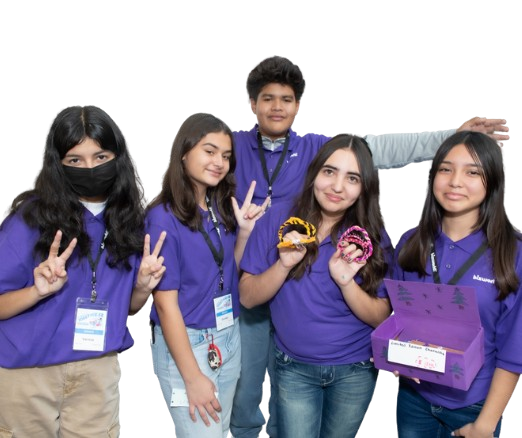
One of the most powerful ways to teach students about entrepreneurship is by giving them the chance to step into the role of entrepreneurs themselves. Through the BizWorld+ program, educators across grade levels are finding creative ways to bring the world of business to life in their classrooms. From simple crafts in elementary school to sophisticated products in upper-level electives, BizWorld+ provides a flexible framework that empowers students to create, collaborate, and think like CEOs. Starting Simple: Friendship Bracelets in the Elementary Classroom When a teacher introduces the BizWorld+ unit for the first time in an elementary classroom, one of the easiest and most engaging product choices is the classic friendship bracelet. String bracelets are simple to make, require minimal setup, and are beloved by students. They provide a clear, hands-on way to teach essential business concepts like budgeting, production, marketing, and sales. Teachers often begin with bracelets because: They build confidence – Even students who don’t see themselves as “creative” can participate and succeed. This accessible start allows the teacher to focus more on teaching the process of entrepreneurship: forming companies, assigning roles, designing marketing strategies, and managing money. Leveling Up: Designing Unique Products in Future Units Once teachers are comfortable with the BizWorld+ process, the door opens to more creativity. In future BizWorld+ experiences, teachers often invite students to design their own products using readily available classroom STEAM and craft materials. This allows for cross-curricular integration and gives students ownership over their ideas. For example, students might: These more advanced and personalized projects challenge students to think not just about making a product, but about innovation, branding, and meeting customer needs. Teachers can link this to design thinking, encouraging students to prototype, test, and refine their ideas before going to market. Advanced Applications: Tapping into Secondary Curriculum In middle and high school, BizWorld+ units can be embedded into subject-specific courses, with product ideas drawn directly from the curriculum. Culinary Arts Class Students can bake cookies or cupcakes to sell at school events. They’ll calculate cost per item, consider packaging and dietary needs, and even survey peers to determine which flavors will be most popular. Creative Writing Class Writers can compile their original stories, essays, or poems into a self-published book. They’ll need to think about layout, cover design, pricing, and promotional strategy—real-world publishing experience for young authors. Photography Class Students can offer portrait sessions, yearbook shots, or photo booth services at school events. They’ll manage bookings, edit images, and create promotional flyers and digital content. History Class Students might create historical board games or trivia card sets featuring key events, figures, or movements. They could also produce illustrated timelines or “historical hero” trading cards to sell—turning research and storytelling into products with educational value. Advanced Math Class Math students could design logic puzzle books, brain teaser kits, or math-themed board games. Alternatively, they might offer tutoring services to younger students, creating a service-based business that reinforces their own skills while helping others. Empowering Student Entrepreneurs No matter the subject, BizWorld+ gives students a platform to apply academic knowledge in meaningful, entrepreneurial ways. When students create and sell something of their own, they learn more than just business skills—they learn to collaborate, problem-solve, take risks, and believe in their ideas. Whether it begins with a simple friendship bracelet or grows into a full-fledged student-run publishing company, BizWorld+ makes learning real—and unforgettable. And once students have identified and created their product or service, they take the critical next step of developing a business plan. This plan becomes their roadmap, guiding them from production through to sales. It helps them organize their ideas, anticipate challenges, and make thoughtful decisions about marketing, budgeting, and operations. By putting their vision into writing, students not only prepare to run their businesses successfully but also gain a deeper appreciation for the planning and strategy that real-world entrepreneurs rely on every day. Ready to spark the next generation of innovators? Bring BizWorld+ into your classroom and watch your students turn their big ideas into real businesses.

Read More »
education
Melissa Doppler

Fun and Simple Product Ideas For Junior Entrepreneurs

Looking for some fun and simple products kids who aspire to become junior entrepreneurs can make at home or in the classroom?  Here are some inexpensive and easy-to-make product ideas using readily available craft materials that anyone can create! Bookmarks Rings / Keyrings / Keychains Decorated / Painted Pebbles Stuff Animals Additional Resources & Patterns Have another product idea to add? We’d love to hear from you! Email us at program@bizworld.org Learn more about BizWorld – get started with BizWorld+ today.

Read More »
education
Melissa Doppler

Teaching Students About Incorporation

Teaching students about incorporation is a valuable part of business education, especially in programs like BizWorld, because it introduces them to the legal and organizational structure of real-world companies. Understanding incorporation helps students see how businesses grow, protect themselves, and operate professionally. Here’s a breakdown of why we teach it, and the advantages of incorporating. Why Does BizWorld Teach Students About Incorporation? 1. Real-World Relevance Incorporation is a fundamental concept in the business world. Teaching it helps students connect classroom learning to real companies they see every day—like Apple Inc. or Nike, Inc.—which are incorporated businesses. 2. Understanding Business Structure Students learn that companies aren’t just random groups of people selling things—they are organized entities with defined leadership, roles, responsibilities, and legal standing. 3. Preparation for Future Careers or Ventures Whether students become entrepreneurs, work in business, or simply manage their own finances someday, understanding incorporation gives them a head start on the kinds of decisions real business owners make 4. Teaches Teamwork and Leadership In BizWorld, incorporating a company usually means forming a team, assigning roles (like CEO or CFO), and working together with a common purpose—mimicking the structure of real-world businesses. What Are the Advantages of Incorporating a Business? 1. Limited Liability Protection One of the biggest advantages is that incorporation separates the company from the individuals who run it. This means if the company loses money or is sued, the owners’ personal finances are generally protected. 2. Professional Image and Credibility Incorporated businesses appear more legitimate and trustworthy to investors, customers, and partners. This can lead to more business opportunities. 3. Ability to Raise Capital Incorporated businesses can issue stock or attract investment more easily, giving them more ways to raise money for growth. 4. Ability to Raise Capital If a sole proprietor leaves or passes away, the business may end. But incorporated businesses can outlive their founders and be sold or transferred more easily. 5. Tax Advantages Incorporation requires defining how the business will be managed (e.g., who has decision-making authority), which helps prevent confusion and internal conflict. How This Applies in the Classroom When students incorporate their companies in BizWorld, they: This not only builds business acumen but also strengthens life skills like communication, critical thinking, and responsibility. Incorporation isn’t just a legal formality—it’s a learning opportunity. By teaching students about it early, we empower them to think like entrepreneurs and prepare them for the real world of business.  Learn more and get started with BizWorld+ today.

Read More »
Educational Blog
Melissa Doppler

Building a Brighter Future in Tijuana, Mexico with BizWorld

“The life-changing potential of entrepreneurship knows no boundaries.” – Deanne Giffin, 4th grade teacher at Bancroft Elementary School in California This summer, a remarkable transformation took place in Tijuana, Mexico, where BizWorld’s project based learning program brought together a diverse group of youth and adults eager to learn and grow. The camp was held in partnership with a local community center, Esperanza For Sons and Daughters, run by Pastors Rolando and Rubi, who have long been committed to uplifting their community through education and support. This was no ordinary summer camp; it was a vibrant mix of entrepreneurship, community, and hope, designed to challenge participants to envision and create a better future for themselves and their families. IThe idea to bring BizWorld to Tijuana was sparked by Deanne Giffin, a dedicated 4th-grade teacher from California with a long history of service in the Tijuana community. After learning about the BizWorld program, Deanne saw its potential to provide valuable life skills to the community members she had grown so close to over the years. “My friend, Melissa (Development & Community Director at BizWorld,) told me about the BizWorld program in early 2024. It sounded like a perfect program to teach skills to the community in Tijuana and bring hope for the future of many students and adults,” Deanne shared. The camp was unique in that it included participants from various age groups—ranging from young children to middle-aged adults. This multi-generational approach fostered a sense of community and collaboration that was truly special. Parents worked alongside their children, and teenagers who often lack family support found themselves part of a new, nurturing community. Reflecting on this experience, Deanne said, “It was moving to see moms planning with their young children and smiling as they dreamed of creating a business.” The camp’s curriculum, which covered the fundamentals of entrepreneurship, was more than just a learning experience—it was a life-changing event for many participants. For some, it was their first introduction to the world of business, and the program quickly became a source of inspiration. “The optimism that this could really change their futures was significant,” Deanne noted. She recounted the story of a young mother who, through her participation, realized that starting her own business was not only possible but within her reach. The success of the BizWorld camp in Tijuana has sparked interest in expanding the program further. Deanne is already planning to implement BizWorld with her 4th-grade students in California, and she hopes to continue supporting the Tijuana community as well. The potential for growth is significant, with plans to possibly extend the program to other parts of Tijuana and beyond. “I am so impressed with the level of understanding these students have shown,” Deanne remarked. “Their displays were well thought out and professional.” The story of BizWorld in Tijuana is a powerful reminder of how entrepreneurship education can transform lives and communities. As BizWorld continues to expand its reach, the organization is always looking for new partners who share their mission of educating youth through entrepreneurship. Whether it’s through sponsoring a camp, becoming a licensed program partner, or simply supporting our mission, there are many ways to get involved and make a difference.

Read More »
Educational Blog
Melissa Doppler

Cultural Innovation Meets Entrepreneurship: BizWorld Japan’s Creative Spin Inspires Students and Communities

In summer 2024, BizWorld Japan brought entrepreneurship education to life with a unique twist. By integrating local cultural experiences into the BizWorld curriculum, they’ve created an enriching and immersive learning environment for elementary and middle school students. In Kyushu Goto Island and Kyoto, students not only learned business basics but also delved into Japan’s rich heritage. In Goto Island, students gathered shells on the beach, learned about the island’s history, and transformed their discoveries into entrepreneurial ventures. The camp seamlessly combined entrepreneurship with environmental and cultural education, culminating in a community event where students showcased and sold their creations. In Kyoto, students engaged with local craftsmen, explored the forest, and applied their newfound knowledge to create business ideas. The program emphasized creativity, confidence, and the importance of teamwork, helping students develop leadership skills in a way that resonated with their cultural roots. Wakana Fukuda, a partner at BizWorld Japan, highlighted how the program encourages students to think independently and become leaders in their own right. “BizWorld allows students to put their own creative spin on entrepreneurship,” Wakana shared. “It’s not just about learning business concepts; it’s about fostering a connection to their community and culture.” The success of BizWorld Japan’s camps underscores the program’s flexibility, allowing educators worldwide to adapt it to their cultural context. By making the program their own, teachers can inspire students not just to become entrepreneurs, but to become thoughtful, engaged members of their communities. As BizWorld Japan looks to the future, they aim to expand the program further, inviting international students to learn about Japan’s culture while building their entrepreneurial skills. This innovative approach serves as a model for how entrepreneurship education can be both globally relevant and deeply rooted in local traditions. By the second day, all the students were fully engaged, working hard, having fun, and learning together. Their financial management skills were impressive, as they progressed from securing seed funding, and selling in the BizWorld Bazaar to valuing their companies. One young woman was the CEO of her team. She was not timid, but a quiet leader who you could tell had little experience leading large groups. Over the two days, I watched as she coordinated her team with ease, pitched for VC capital, and led with a quiet confidence that was impressive. At the end of day two, I walked up to her and said, “I have been watching you work as the CEO over the past two days. If you continue to believe in yourself, use your superpowers, and find opportunities to lead, you will be a great CEO someday.” With tears in her eyes, she asked if I could take a selfie video with her and say that again. I said, “Of course…but why?” Her response nearly brought tears to my eyes. She said, “Because my mom will never believe that someone said this about me.” Needless to say, this was an unforgettable experience for the staff and students alike. The life-changing potential of entrepreneurship knows no boundaries. As we saw in Jamaica, when young minds are nurtured with the right tools and encouragement, they can create something truly magical.

Read More »
Educational Blog
Melissa Doppler

Igniting the Entrepreneurial Spirit of Youth in Jamaica

“What would happen if you took master educators, life-changing curriculum, nearly 30 teenagers, and an international entrepreneurial organization and placed them in a room in Jamaica for 2 days? Magic!” – Chris Cochran, Executive Director of Entrepreneurs Across Borders, Inc. In summer 2024, BizWorld embarked on an exciting new journey with our first-ever camp in the Caribbean, in Kingston the capital city of Jamaica. Brought to life through a partnership with Entrepreneurs Across Borders (EAB), this camp was more than just a learning experience—it was an adventure that blended entrepreneurship with local culture in a way that deeply resonated with the students. When EAB first reached out to us, what began as a simple conversation quickly blossomed into a fully-funded pilot program. Together, we aimed to teach business fundamentals to the next generation of Jamaican youth in a vibrant, hands-on environment. EAB’s mission to bring entrepreneurship education to developing countries aligns perfectly with BizWorld’s goals, and while the focus is currently on Jamaica, the potential for expansion into other parts of the Caribbean and Latin America is clear. We like how Chris Cochran said it himself, “The BizWorld Curriculum should be taught to every single entrepreneur around the world, especially to students.” For me (Patricia Solis, Operations Manager at BizWorld) this camp has been one of the most rewarding experiences while working with youth in BizWorld. Jamaica is a country driven by entrepreneurship, and many of the students at the camp have already had firsthand experience with entrepreneurship, either through their own small businesses or through their families. This camp took place during the school break, so some students initially expressed frustration about being encouraged by their parents to attend an academic camp during a time they felt should be reserved for fun. However, others (dare we say the majority) were curious, motivated, and excited. At the registration table on day one, a young woman boldly shared, “I don’t want to be here…It’s summer. I should be home sleeping until 1:30 pm and eating all day.” We watched as this young woman pretended that she would rather be anywhere else.  But as she stepped up to masterfully pitch her company, she involved herself deeply in the product development, and squealed with laughter as she counted her company’s profits. As she was leaving the camp, she said, “Ok, I’ll admit I had fun.” As the camp began, I quickly noticed smiles, teamwork, and a strong desire to learn through practical application of business concepts. Gradually, the students embraced the entrepreneurial mindset, and by the end of the first day, we could already see the formation of new friendships. For at least 50% of the participants, this was their first experience working together as a team. They collaborated harmoniously, identified each other’s strengths, solved problems, and created innovative products. By the second day, all the students were fully engaged, working hard, having fun, and learning together. Their financial management skills were impressive, as they progressed from securing seed funding, and selling in the BizWorld Bazaar to valuing their companies. One young woman was the CEO of her team. She was not timid, but a quiet leader who you could tell had little experience leading large groups. Over the two days, I watched as she coordinated her team with ease, pitched for VC capital, and led with a quiet confidence that was impressive. At the end of day two, I walked up to her and said, “I have been watching you work as the CEO over the past two days. If you continue to believe in yourself, use your superpowers, and find opportunities to lead, you will be a great CEO someday.” With tears in her eyes, she asked if I could take a selfie video with her and say that again. I said, “Of course…but why?” Her response nearly brought tears to my eyes. She said, “Because my mom will never believe that someone said this about me.” Needless to say, this was an unforgettable experience for the staff and students alike. The life-changing potential of entrepreneurship knows no boundaries. As we saw in Jamaica, when young minds are nurtured with the right tools and encouragement, they can create something truly magical.

Read More »

Cryptocurrency

We’re proud to accept donations of cryptocurrencies via our partnership with Every.org. You may please donate directly through our donation portal here.

Stock Transfer

For information about electronic transfers or to donate stock or appreciated securities please send us a message here now.

Donor Advised Fund

Making a donation through your Donor-Advised Fund is simple and impactful!

How to Give:

  1. Directly through DAF Direct: If your DAF sponsor is supported, use their portal to make your gift directly.
  2. Mail or Wire: Direct your DAF sponsor to send a check or wire funds to:
    BizWorld Foundation
    Tax ID: 94-3280297
    Address: 55 East 3rd Ave, San Mateo, CA, 94401
    EIN # 94-3280297

Helpful Tips:

  • Use our tax ID (94-3280297) when searching for BizWorld Foundation in your DAF sponsor’s directory to ensure your donation is correctly processed.
  • If your DAF is with Fidelity Charitable, Schwab Charitable, or BNY Mellon, you can use their portal for easy gifting.
  • You may designate your gift for a specific program or initiative in the “designation” field if your DAF sponsor allows.

Thank you for supporting BizWorld Foundation and helping us equip young entrepreneurs to unlock their potential!

ACH or Wire

Please  submit a contact form now  for information about electronic transfers or to donate stock or appreciated securities.

Mail Check

You can mail a check made payable to BizWorld.org to:

BizWorld.org

55 East 3rd Ave, San Mateo, CA, 94401.