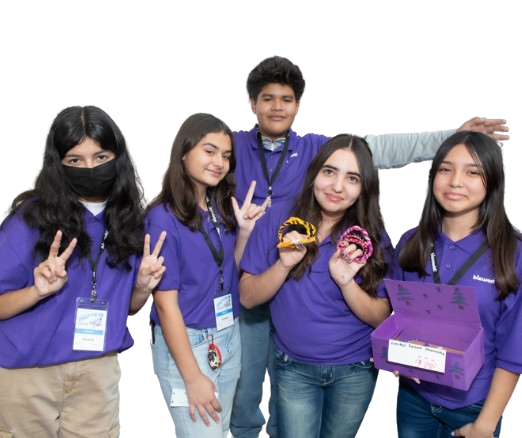


The Importance of STEM Education Programs: Shaping Future Innovators
STEM education, which stands for Science, Technology, Engineering, and Mathematics, has become a cornerstone of modern education systems worldwide. As industries and economies become increasingly driven by technology and innovation, equipping students with the necessary skills to thrive in these fields is essential. STEM education programs aim to foster a deep understanding of these critical subjects through hands-on learning, problem-solving, and interdisciplinary approaches that prepare students for the future. By integrating key concepts like critical thinking, creativity, and collaboration, STEM education empowers students to tackle real-world challenges and succeed in an ever-evolving job market. The Role of STEM Curriculum in Modern Education A well-designed STEM curriculum is fundamental in preparing students for careers in fields related to science, technology, engineering, and mathematics. It provides a structured framework for students to learn essential skills, engage in critical thinking, and explore complex concepts through a combination of theory and practice. The STEM curriculum is often designed to be interdisciplinary, encouraging students to make connections between different subjects and apply their knowledge in practical settings. Incorporating real-world applications into the STEM curriculum helps students understand the relevance of what they are learning and how it can be used to solve global challenges. For instance, a curriculum might include topics like climate change and environmental sustainability, which combine principles from environmental science, engineering, and technology. By engaging with such topics, students not only learn foundational STEM concepts but also develop a passion for solving real-world problems. The Power of STEM Workshops and Hands-on Learning STEM workshops are an invaluable part of the learning process, providing students with opportunities to engage in hands-on STEM activities. These workshops often focus on practical, real-world applications of STEM concepts, allowing students to experiment, collaborate, and create innovative solutions. By participating in STEM workshops, students are exposed to different aspects of science, technology, engineering, and mathematics that they might not encounter in the traditional classroom setting. For example, students might participate in a workshop where they design and build a model bridge using engineering principles, or they may learn to code and develop a simple app. These STEM activities provide students with the chance to apply theoretical knowledge in a tangible way, which can increase their confidence and deepen their understanding of the subject matter. Workshops also encourage creativity and problem-solving, which are essential skills in STEM-related careers. Engaging the Younger Generation: STEM Programs for Kids STEM programs for kids play a critical role in introducing younger students to the world of science, technology, engineering, and mathematics. By sparking curiosity and encouraging exploration at an early age, these programs help build a strong foundation for future learning. Exposure to STEM concepts through fun and interactive programs fosters a sense of wonder and discovery in children, motivating them to explore these fields further as they grow. These programs often involve hands-on activities like building simple robots, experimenting with physics concepts, or designing digital games. Through these engaging experiences, children learn that STEM subjects are not only important but also enjoyable. By engaging in STEM programs for kids, students are not only gaining technical knowledge but also developing critical thinking and teamwork skills, which will serve them well in both academic and professional settings. Expanding Reach: The Importance of STEM Outreach STEM outreach is an essential component of expanding access to STEM education for underrepresented communities. Many students, particularly those from minority or low-income backgrounds, may not have the same opportunities to engage with STEM fields as others. STEM outreach programs aim to break down these barriers by providing opportunities for students to access STEM learning resources, workshops, mentorship, and support outside of the classroom. Organizations and institutions often partner with schools, community centers, and other groups to deliver outreach programs. These initiatives can take many forms, from school visits and science fairs to summer camps and after-school programs. Through STEM outreach, students gain exposure to STEM careers and learn how to apply STEM skills in various fields, increasing their chances of pursuing further education and careers in science, technology, engineering, and mathematics. STEM Mentoring: Guiding the Next Generation STEM mentoring plays a crucial role in guiding students through their educational journey and helping them navigate the complexities of STEM fields. Having access to mentors who are professionals in STEM industries can provide students with invaluable insights, encouragement, and advice. Mentors can help students set goals, develop skills, and build confidence, all of which are critical for success in STEM careers. Through STEM mentoring, students can also gain an understanding of the various career pathways available to them. Whether they are interested in becoming engineers, computer scientists, or healthcare professionals, mentors can provide guidance on the steps needed to pursue those careers. Moreover, having role models in STEM fields, particularly for students from underrepresented groups, helps to inspire and motivate the next generation of innovators and problem-solvers. Project-Based Learning: Real-World Problem Solving One of the key methodologies in STEM education is project-based learning. This approach involves students working on extended projects that require them to apply knowledge and skills from multiple subjects to solve a real-world problem. Instead of learning in isolation, students are encouraged to collaborate, innovate, and create solutions that address current challenges. For instance, students might work on a project to design a sustainable energy solution for their community, which would require applying knowledge from engineering, environmental science, and mathematics. This approach helps students connect theory to practice and prepares them for the collaborative, problem-solving environments they will encounter in their future careers. Promoting Gender Equity in STEM: STEM for Girls There is an ongoing effort to increase the participation of girls in STEM fields, and STEM for girls programs are essential in achieving this goal. Women remain underrepresented in many STEM professions, and it is crucial to break down the societal and cultural barriers that prevent girls from pursuing careers in these fields. STEM for girls initiatives provide girls with the tools, resources, and encouragement they need to explore their interests in science, technology, engineering, and