Tag: Mentorship

education
Leane Pottas

Global Entrepreneurship Week: What Starts in Your Classroom Matters Worldwide

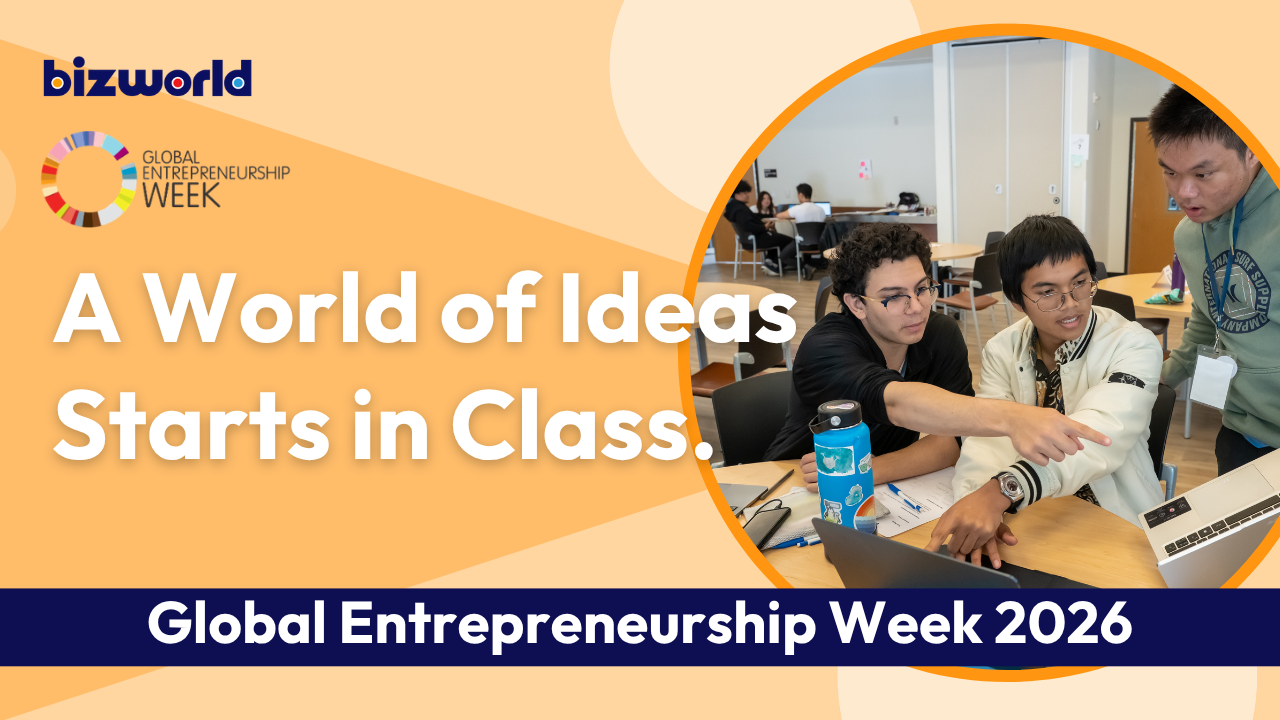
Ask your students what they would change about their school day, and they might tell you the lunch line takes too long, nobody knows when clubs meet, or there’s nowhere to put a wet umbrella. Then ask one more question. Who else has this problem, and how could we find out what would help them? That’s a simple way to bring Global Entrepreneurship Week into your classroom, on November 16–22, 2026. Students can start with a problem they already know, talk to someone who experiences it, and decide what they might try to fix it. Why teach entrepreneurship early? Communities depend on people who recognize a need and find a way to meet it. The World Bank estimates that micro, small, and medium-sized enterprises account for about 90% of businesses and more than half of employment worldwide. In the classroom, students can practice the thinking behind those businesses on a scale that makes sense to them. Who is this for? What would make it useful? What might we change after someone tries it? Give students room to answer those questions and they may take the idea somewhere you didn’t expect. As Wakana Fukuda of BizWorld Japan put it, “They come up with answers that adults would never think of.” What that looks like in a sixth-grade classroom At Parkway Academy in California, BizWorld’s 2026 Educator of the Year, Emily Scheitlin, asks her sixth graders to think about what their schoolmates would actually want to buy. The students choose a product, figure out what it costs to make, and decide what to charge. “It’s all them,” Scheitlin says. A question like, What should we charge? gives students a reason to use their math, think about what someone else would pay, and explain their decision to a teammate. Scheitlin has seen that thinking carry over into school clubs. When students talk about selling snacks to raise money for field trips, they now ask how much profit they could make and work through the numbers. Different classrooms, the same chance to try Through its programs and international network, BizWorld has reached more than 900,000 young people in over 100 countries. Local partners in about a dozen countries world-wide make the experience relevant to their own schools and communities. The ideas students come up with may look different in Japan than in California, but in both places, students get to make decisions about something they care about. This Global Entrepreneurship Week, try asking your students to notice one problem at school and talk to one person it affects. Then ask them what they’d try first to solve this problem. You might be surprised by what they notice and what they decide to do about it.

Read More »
education
Leane Pottas

Finding Purpose Through Mentorship: Steve’s New Chapter After Retirement

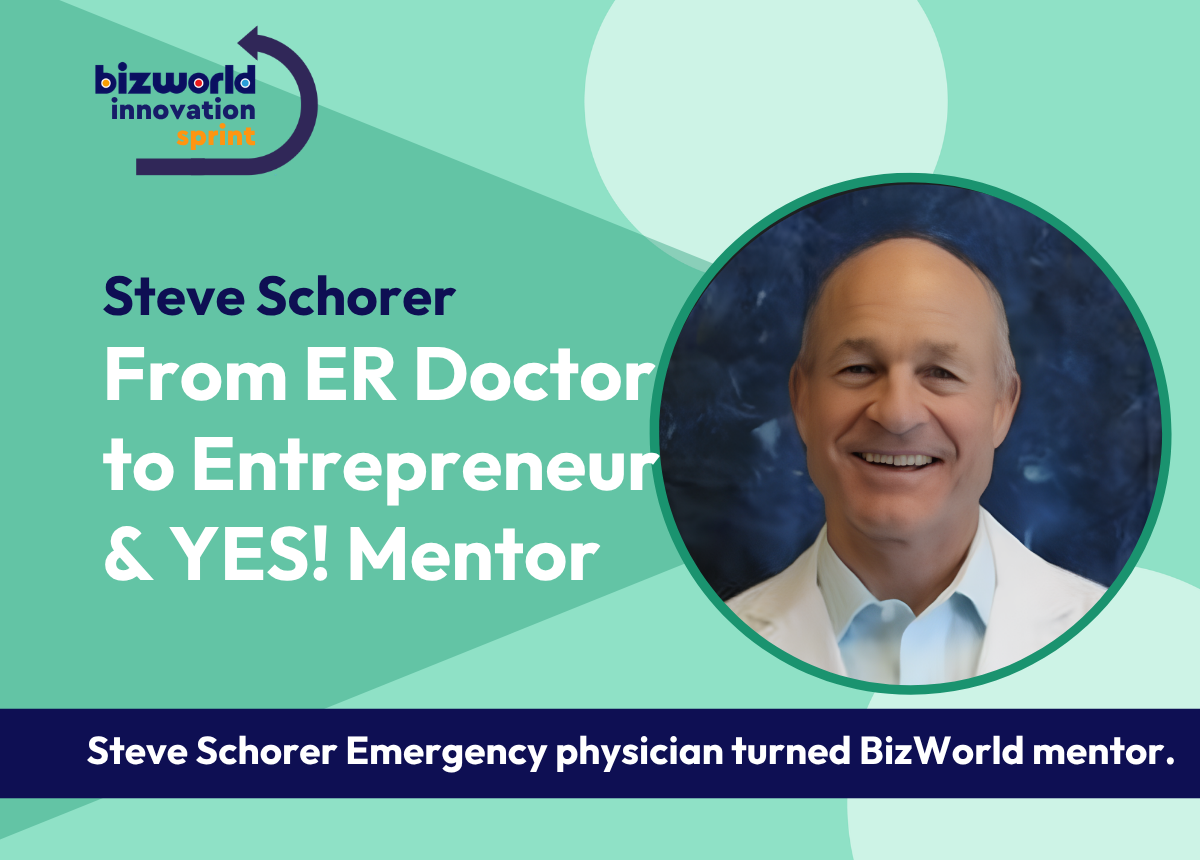
Steve Schorer spent 35 years in emergency medicine. Every shift, he knew his work mattered. Then he retired. “I wasn’t expecting to feel the void of missing a greater purpose in serving others,” Steve said. He had more freedom than ever. What he missed was being needed. Research backs up what Steve felt. A randomized controlled trial involving fully retired adults found that those who began volunteering regularly experienced improvements in life satisfaction, purpose and personal growth. For Steve, finding purpose through mentorship started with a phone call from a friend. That’s the call that introduced him to BizWorld; a call that Steve described as “a gift from heaven.” Do You Know Enough to Be a Mentor? Turning Professional Experience Into Purpose On paper, Steve was more than ready. He had helped run the business side of a large emergency medicine group. At 55, he went back to school and earned an MBA. He had even helped start a company with his son. Still, he worried. “I was a little nervous that I thought more of myself in business than I really was,” he said. Maybe you have worried about the same thing. Many people think they need a long list of business wins before they can guide someone else. Steve found out that is not true. “If you’ve been even partially successful and you have a heart to serve, what these kids need from you will bubble right to the top,” he said. “It’s not sophisticated business intellect that you need.” BizWorld also makes it easy. Mentors can see what students are learning each week, so they know what questions are coming. “That’s how I cheated,” Steve joked. “I just read ahead.” One Idea, Followed All the Way Through | Mentoring Young Entrepreneurs Through BizWorld Steve first became involved as a coach and judge during the BizWorld Innovation Sprint, a fast-paced weekend where young people build business ideas from scratch. One team caught his eye. Scholar Safe wanted to connect students heading to college with safe, certified housing. They did not win the Sprint, but Steve saw something in their idea and told them so. They took his advice and applied to the YES! (Young Entrepreneur Success) Program. They were accepted, and Steve became their business coach. He got to follow an idea from a single weekend all the way into a real business plan. He also watched the students grow. “They come for the business,” Steve said. “They leave understanding something about themselves.” They learned how they handle risk, how they work with a team, and what role they play when everyone is counting on them. It Does Not Take Much Time to Make a Big Difference Mentors give about one hour a week for 10 weeks. The last two weeks before pitch day take a bit more. Steve did it all while traveling. “It’s max flex,” he said. “I can pull over on the side of the road, find Wi-Fi and jump on a call.” Steve found himself wanting to give more, not less. “I kept looking for ways to spend more time, because I was enjoying it so much.” His promise to his students says a lot. “You will never be intruding by calling me or texting me for the rest of your life.” Why BizWorld Deserves Your Support Mentors like Steve can only do their work because BizWorld builds the structure around them. Donations help fund free programs for underserved schools, teacher training, professional mentorship and seed funding for youth-led businesses. Steve has watched the team up close. “They are very careful with my time and the donors’ money,” he said. “You do not see anything that’s inefficient.” When he first met BizWorld Development & Community Director Melissa, his reaction was instant. “I would sell walnuts with her in the Congo,” he said. “This woman gets it.” Is This a Good Use of Your Time? Steve came to BizWorld looking for a way to serve again. He found young people whose ideas made him want to make more room in his schedule. “This is really worthwhile,” he said. “This is a good use of my time.” If you are looking for more purpose, or you want to pass on what you have learned, sign up to become a BizWorld volunteer or mentor. If you cannot give your time right now, you can still help. Donate to BizWorld and give more young entrepreneurs access to people who will listen and help them keep going.

Read More »
BizWorld Blog Cover for Global Entrepreneurship Week 2025
education
Leane Pottas

What Is Global Entrepreneurship Week and Why Celebrating It in the Classroom Matters.

Have you ever asked yourself what happens when emerging ideas, actually get the spotlight they deserve? That’s exactly the mission of Global Entrepreneurship Week (GEW) – a worldwide celebration of innovators, creators, and entrepreneurial spirit. According to the Global Entrepreneurship Network, GEW reaches over 200 countries and invites everyone, from budding students to seasoned founders, to explore what it means to dream, build, and be an entrepreneur. How did Global Entrepreneurship Week start? The movement began in 2008, when organizations around the world recognized that entrepreneurship does more than launch companies, it sparks creativity, opportunity, and economic growth. It also cultivates essential life skills like confidence, collaboration, problem-solving, and leadership, qualities that empower individuals to thrive in any career or community they choose to build. “Investing in young people, supporting their ideas and growth, is what we believe will make the difference in the generations to come.” — Charlene Vaca, CEO of BizWorld.org Since it’s start in 2008, GEW has grown into an international collaboration involving universities, nonprofits, and corporations, hosting workshops, hackathons, and networking events throughout the week. Each year, this shared effort turns ideas into action, connecting dreamers with doers and helping people everywhere discover that entrepreneurship isn’t just for business owners, but for anyone ready to create positive change in their community. Schools such as the University of Kansas and Carnegie Mellon University now mark the week with student pitch competitions, panel discussions, and innovation challenges, each designed to inspire the next generation of change-makers. At BizWorld, Global Entrepreneurship Week is an extension of what we do every day. Throughout the week, we’re spotlighting young innovators from our programs, sharing classroom success stories, and encouraging educators to bring entrepreneurial thinking into their lessons. Whether it’s a 5th grader pitching their first startup idea in a BizWorld classroom or a YES! participant preparing for Demo Day, every moment reflects GEW’s spirit of turning ideas into action. Why celebrating Global Entrepreneurship Week in the classroom matters Entrepreneurship begins long before the first business plan, it starts when students learn to think creatively, work as a team, and take ownership of their ideas. When educators bring entrepreneurial projects into their classrooms, they help students connect learning with real-world problem-solving and see themselves as capable innovators. From brainstorming sustainable products to pitching classroom business ideas, these experiences teach students the value of initiative, empathy, and perseverance. Even small lessons, like budgeting for a classroom company or identifying customer needs, build confidence and financial literacy that last a lifetime. That’s why BizWorld’s hands-on entrepreneurship programs align so naturally with GEW’s mission. Each activity transforms the classroom into a mini innovation lab, where students learn that their voices and ideas matter. So this Global Entrepreneurship Week, let’s celebrate where innovation truly begins, in the classroom, because when we teach kids to dream it, build it, and share it, we’re not just preparing future entrepreneurs, we’re empowering the next generation of change-makers. Why is Global Entrepreneurship Week important? Entrepreneurship is more than starting a business, it’s about cultivating resilience, creativity, and problem-solving. GEW highlights how daring to launch an idea can create real social and economic impact.  It’s also a reminder that entrepreneurial skills, confidence, collaboration, innovative thinking, are life skills that empower people in any path they choose. One BizWorld YES! mentor put it beautifully: “Volunteering as a Mentor is more than guiding the next generation of entrepreneurs; it’s about growth, both for the mentees and for yourself.” This mindset echoes across the BizWorld community. Young Entrepreneur Success (YES!) student Sierra Mendoza shared, “Entrepreneurship doesn’t have to be just a business. It could just be you trying to start something new, like you trying to be a leader. And I think that BizWorld’s program stresses that, and I think it’s very important, especially for our generation, to be leaders and just take action.” GEW and BizWorld share the very same purpose: to help people see possibilities where others see limitations. That’s why Global Entrepreneurship Week feels like home to us at BizWorld. From sparking creativity in classrooms to guiding young founders through their first business idea, BizWorld carries the same global spirit of empowerment that GEW celebrates. Both remind us that entrepreneurship is not just a skill, it’s a mindset for life. How does BizWorld fit into Global Entrepreneurship Week? At BizWorld, our mission is to equip future generations with entrepreneurial life skills that unlock their potential and create economic opportunity. Across classrooms worldwide, educators use our hands-on programs to help students experience what it means to think like entrepreneurs. Through team-based projects, design thinking, and financial literacy lessons, students learn to collaborate, lead, and innovate long before they enter the workforce. Every pitch, prototype, and classroom company formed reflects the very values Global Entrepreneurship Week celebrates: confidence, creativity, collaboration, and innovation. Educators, mentors, and supporters all have a place in this movement, whether it’s bringing BizWorld’s curriculum to your school, volunteering as a mentor, or championing the next generation of change-makers. Join the movement. Spark curiosity. Help the world see what young entrepreneurs can do! So, if you’re wondering how to truly celebrate Global Entrepreneurship Week, here’s a thought: Why not take a step toward your own entrepreneurial dream? You can start by applying to the BizWorld YES! Program, our 12-week business accelerator for young entrepreneurs (ages 16-22) who are ready to turn their ideas into impact. The program offers business coaching, mentoring, and a vibrant community of peers and professionals who believe in one simple truth: the innovative genius lives inside us all. Or are you no longer a young entrepreneur in the making, and now realize it’s time to give back to the younger generation? Learn about bringing BizWorld’s entrepreneurship curriculums into the schools in your local area, or volunteer to be a mentor to one of the amazing young entrepreneurs in our YES! program. Join the movement. Together, we’re igniting a world that dares to dream BIG.

Read More »
education
Melissa Doppler

How Crowdfunding Works

A Guide for Student Entrepreneurs Starting a new business is exciting—but it can also be expensive! What if you have a cool idea for a product or service, but you don’t have the money to make it happen? That’s where crowdfunding comes in. It’s a way to raise money from a lot of people—usually online—to help get your business off the ground. Let’s break it down. What Is Crowdfunding? Imagine you have a great idea to design custom phone cases that reflect your school spirit. You need $500 to buy materials and start making them. Instead of asking one person (like your parents or a bank) for the full amount, you ask 100 people to each donate $5. That’s crowdfunding! Crowdfunding is when lots of people pitch in small amounts of money to help fund a project, business, or product. In return, they might get rewards, early access, or just the satisfaction of supporting a great idea. Examples 1. The Snack Shack A group of 8th graders wants to open a healthy snack stand at school. They need $300 to buy ingredients and supplies. They launch a crowdfunding campaign offering: They raise $500 and open “The Snack Shack” in the school courtyard! 2. The Eco-Friendly Hoodie A high school student designs a hoodie made from recycled materials. She starts a crowdfunding campaign to raise $1,000 to produce the first 50 hoodies. Backers who donate: Her campaign goes viral, and she raises $2,000—enough to start her own clothing brand! Why use Crowdfunding? Why? Because prototyping is about ideas, not appearances. Using simple materials helps you stay focused on the function, not just the form. Ready to Try it? If you’re a young entrepreneur, crowdfunding can help you turn your big ideas into reality. Start small, be clear about your goals, and always thank your supporters. You never know—your school project today could become the next big thing tomorrow!

Read More »
education
Melissa Doppler

What is a Prototype?

The Art of Building Big Ideas with Small Stuff Have you ever had a genius idea pop into your head—maybe for a cool new product, a helpful invention, or even an app—and thought, “Someone should make this!” Well, that someone could be you. But before anyone mass-produces the next big thing, every idea starts in a simple, scrappy, hands-on way. That’s where a prototype comes in. What Is a Prototype? A prototype is a rough, early version of your idea. Think of it as a 3D sketch—a first draft of your invention. It helps you test out how your idea might actually work in real life. It doesn’t have to be perfect (in fact, it shouldn’t be). It just needs to show your idea and solve the problem you’re trying to address. You’re not building the final product—you’re building a model to explore, improve, and share your concept. Prototyping Is an Art Prototyping isn’t just engineering or science. It’s also creativity, design, storytelling, and resourcefulness. The best prototypes don’t always come from fancy kits or high-end tools—they come from students like you using what’s already around them. Use What You’ve Got: Found & Recycled Materials You don’t need to drop money on supplies to build something awesome. Some of the most effective prototypes are made from found or recycled materials. Look around your home or classroom for: Why? Because prototyping is about ideas, not appearances. Using simple materials helps you stay focused on the function, not just the form. Start with a Plan: Draw and Label FirstStudent Entrepreneurs Before you start cutting, gluing, or taping things together, grab a pencil and paper. Sketch out your design. Label the parts. Show how it works. Think through questions like: Having a labeled drawing is like having a roadmap—it helps you organize your thinking and avoid wasting time (or tape!). Bonus: Your sketch is also useful when you need to explain your idea to others—whether it’s your teammates, your teacher, or potential “investors” (hello, Shark Tank moment!). Build. Test. Improve. Repeat. Once your prototype is built, test it out. Does it work the way you imagined? What could be improved? Prototyping is all about trial and error—failing fast and learning fast. Most inventors go through lots of versions before they land on the one that works best. That’s the art of prototyping—being okay with imperfections and seeing every attempt as progress. Final thoughts Prototyping is where your ideas come to life. It’s messy, fun, creative, and full of surprises. Don’t wait until you have the “perfect” materials or know exactly what you’re doing—start where you are, with what you have. Because the next great innovation might just be hiding in your recycling bin. Want to see how the pros do it? Start paying attention to product design videos, DIY inventors on social media, or even makers on YouTube. You’ll be surprised at how often a big idea starts with scissors, cardboard, and tape. Now go turn your idea into something real!

Read More »
education
Melissa Doppler

From Bracelets to Business Plans: Launching Student Entrepreneurs with BizWorld+

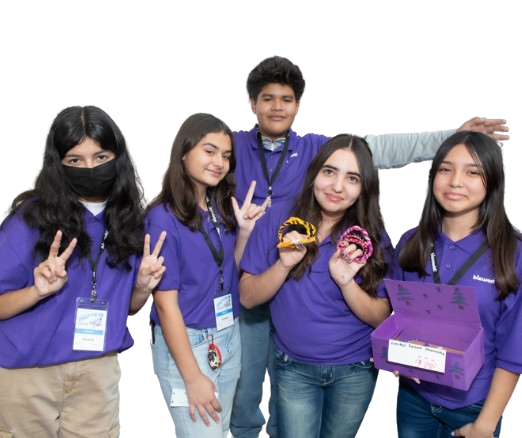
One of the most powerful ways to teach students about entrepreneurship is by giving them the chance to step into the role of entrepreneurs themselves. Through the BizWorld+ program, educators across grade levels are finding creative ways to bring the world of business to life in their classrooms. From simple crafts in elementary school to sophisticated products in upper-level electives, BizWorld+ provides a flexible framework that empowers students to create, collaborate, and think like CEOs. Starting Simple: Friendship Bracelets in the Elementary Classroom When a teacher introduces the BizWorld+ unit for the first time in an elementary classroom, one of the easiest and most engaging product choices is the classic friendship bracelet. String bracelets are simple to make, require minimal setup, and are beloved by students. They provide a clear, hands-on way to teach essential business concepts like budgeting, production, marketing, and sales. Teachers often begin with bracelets because: They build confidence – Even students who don’t see themselves as “creative” can participate and succeed. This accessible start allows the teacher to focus more on teaching the process of entrepreneurship: forming companies, assigning roles, designing marketing strategies, and managing money. Leveling Up: Designing Unique Products in Future Units Once teachers are comfortable with the BizWorld+ process, the door opens to more creativity. In future BizWorld+ experiences, teachers often invite students to design their own products using readily available classroom STEAM and craft materials. This allows for cross-curricular integration and gives students ownership over their ideas. For example, students might: These more advanced and personalized projects challenge students to think not just about making a product, but about innovation, branding, and meeting customer needs. Teachers can link this to design thinking, encouraging students to prototype, test, and refine their ideas before going to market. Advanced Applications: Tapping into Secondary Curriculum In middle and high school, BizWorld+ units can be embedded into subject-specific courses, with product ideas drawn directly from the curriculum. Culinary Arts Class Students can bake cookies or cupcakes to sell at school events. They’ll calculate cost per item, consider packaging and dietary needs, and even survey peers to determine which flavors will be most popular. Creative Writing Class Writers can compile their original stories, essays, or poems into a self-published book. They’ll need to think about layout, cover design, pricing, and promotional strategy—real-world publishing experience for young authors. Photography Class Students can offer portrait sessions, yearbook shots, or photo booth services at school events. They’ll manage bookings, edit images, and create promotional flyers and digital content. History Class Students might create historical board games or trivia card sets featuring key events, figures, or movements. They could also produce illustrated timelines or “historical hero” trading cards to sell—turning research and storytelling into products with educational value. Advanced Math Class Math students could design logic puzzle books, brain teaser kits, or math-themed board games. Alternatively, they might offer tutoring services to younger students, creating a service-based business that reinforces their own skills while helping others. Empowering Student Entrepreneurs No matter the subject, BizWorld+ gives students a platform to apply academic knowledge in meaningful, entrepreneurial ways. When students create and sell something of their own, they learn more than just business skills—they learn to collaborate, problem-solve, take risks, and believe in their ideas. Whether it begins with a simple friendship bracelet or grows into a full-fledged student-run publishing company, BizWorld+ makes learning real—and unforgettable. And once students have identified and created their product or service, they take the critical next step of developing a business plan. This plan becomes their roadmap, guiding them from production through to sales. It helps them organize their ideas, anticipate challenges, and make thoughtful decisions about marketing, budgeting, and operations. By putting their vision into writing, students not only prepare to run their businesses successfully but also gain a deeper appreciation for the planning and strategy that real-world entrepreneurs rely on every day. Ready to spark the next generation of innovators? Bring BizWorld+ into your classroom and watch your students turn their big ideas into real businesses.

Read More »
education
Melissa Doppler

Fun and Simple Product Ideas For Junior Entrepreneurs

Looking for some fun and simple products kids who aspire to become junior entrepreneurs can make at home or in the classroom?  Here are some inexpensive and easy-to-make product ideas using readily available craft materials that anyone can create! Bookmarks Rings / Keyrings / Keychains Decorated / Painted Pebbles Stuff Animals Additional Resources & Patterns Have another product idea to add? We’d love to hear from you! Email us at program@bizworld.org Learn more about BizWorld – get started with BizWorld+ today.

Read More »
education
Melissa Doppler

Teaching Students About Incorporation

Teaching students about incorporation is a valuable part of business education, especially in programs like BizWorld, because it introduces them to the legal and organizational structure of real-world companies. Understanding incorporation helps students see how businesses grow, protect themselves, and operate professionally. Here’s a breakdown of why we teach it, and the advantages of incorporating. Why Does BizWorld Teach Students About Incorporation? 1. Real-World Relevance Incorporation is a fundamental concept in the business world. Teaching it helps students connect classroom learning to real companies they see every day—like Apple Inc. or Nike, Inc.—which are incorporated businesses. 2. Understanding Business Structure Students learn that companies aren’t just random groups of people selling things—they are organized entities with defined leadership, roles, responsibilities, and legal standing. 3. Preparation for Future Careers or Ventures Whether students become entrepreneurs, work in business, or simply manage their own finances someday, understanding incorporation gives them a head start on the kinds of decisions real business owners make 4. Teaches Teamwork and Leadership In BizWorld, incorporating a company usually means forming a team, assigning roles (like CEO or CFO), and working together with a common purpose—mimicking the structure of real-world businesses. What Are the Advantages of Incorporating a Business? 1. Limited Liability Protection One of the biggest advantages is that incorporation separates the company from the individuals who run it. This means if the company loses money or is sued, the owners’ personal finances are generally protected. 2. Professional Image and Credibility Incorporated businesses appear more legitimate and trustworthy to investors, customers, and partners. This can lead to more business opportunities. 3. Ability to Raise Capital Incorporated businesses can issue stock or attract investment more easily, giving them more ways to raise money for growth. 4. Ability to Raise Capital If a sole proprietor leaves or passes away, the business may end. But incorporated businesses can outlive their founders and be sold or transferred more easily. 5. Tax Advantages Incorporation requires defining how the business will be managed (e.g., who has decision-making authority), which helps prevent confusion and internal conflict. How This Applies in the Classroom When students incorporate their companies in BizWorld, they: This not only builds business acumen but also strengthens life skills like communication, critical thinking, and responsibility. Incorporation isn’t just a legal formality—it’s a learning opportunity. By teaching students about it early, we empower them to think like entrepreneurs and prepare them for the real world of business.  Learn more and get started with BizWorld+ today.

Read More »
education
Leane Pottas

Inside YES! International: How Youth Founders Go Global in 12 Weeks

What if your startup idea could travel from a classroom in Europe to a pitch stage in Silicon Valley, California in just three months? That’s the opportunity given through YES!, BizWorld’s Young Entrepreneur Success program, and under the partnership between BizWorld US and Lorena Szerman of BizWorld UK, YES! is quickly becoming one of the most exciting youth accelerators in the world. “YES! takes young entrepreneurs further than they ever thought possible,” Lorena explains. “We’ve built a global platform where their ideas don’t just stay local, they travel, scale, and inspire.” Why We Took YES! Global YES! first hit the international stage in 2023 with a pilot program in the UK, Japan, UAE and China. The concept was simple but bold: to launch a youth-focused business accelerator program that not only teaches entrepreneurship, but actually launches businesses on a global scale. The results spoke for themselves. Ankhway, one of the participants in our pilot international cohort, became the first YES! company out of the UK to receive funding and gain global promotion. Momentum grew quickly. By 2024, the UK joined forces with Dubai and the wider Middle East, bringing together 11 young entrepreneurs in one powerful YES! cohort. By the end of the 12-week accelerator, two UK companies, StudyStash and National Neurodiversity Training (NNT), advanced to California for the YES! Global Demo Day, where they joined their peers from U.S. cohorts to compete on the international stage. There, NNT was the top funded company alongside calSTEM.org, both receiving $10,000 in seed funding. For Lorena, this confirmed the program’s purpose: “We’re not here to run a simulation. We’re here to give young founders the exact tools, network, and confidence to compete on a global scale.”  Through YES!, participants gain the knowledge, network, and access to capital they need to launch or scale their businesses into real-world ventures. What Exactly is the BizWorld YES! Program? At its core, YES! (the Young Entrepreneur Success Program) is a youth-focused, 12-week accelerator program designed to educate and scale the path of young entrepreneurs. The 12-week YES! Program consists of: As Lorena puts it: “The program spine is just 12 weeks, but the impact lasts years. Many of our founders go on to join other incubators or raise funding, but it’s YES! that gave them their first real lift.” The Impact of YES! International Presence YES! companies have already proven that success stories can begin in one country and expand globally: Alumni like NNT demonstrate the real transformation YES! provides: “Before YES!, we had just launched our first training engagements. During the programme, we validated our business model, digitized and scaled our training offering, and won the international Demo Day competition, receiving a $10,000 prize,” said Iveta Pudilova, CEO of NNT. “Since YES!, we’ve secured enterprise clients, delivering 5-figure deals, launched our online learning platform, and are now building an AI-powered assessment to scale internationally.” With YES! funding, NNT invested in the technical infrastructure to build its platform. Their mentor, Daryn, not only refined their commercial strategy but joined their advisory board, helping shape product-market fit and long-term scale. These aren’t case studies stuck in a slide deck; they are youth-led companies already generating over $2.5 million in combined annual revenue. Each win reinforces that YES! is more than an accelerator. It’s a launchpad where 42% of participants come from low-to-moderate income households and over 80% of participant businesses continue to scale after the first year. The Power of the YES! Ecosystem: Universities, Mentors, Scouts YES! is designed as an ecosystem, not a silo. Four primary groups power the flywheel: Together, these partnerships make YES! bigger than any single cohort. It becomes a movement, attracting resources, visibility, and opportunities. It builds on the foundation Lorena has already laid with BizWorld UK, impacting numurous young entrepreneurs so far, and causing BizWorld to be voted the best non-curriculum activity in UK private schools. What’s Next for YES! International? Canada + Beyond The momentum is growing! This fall, YES! is incubating its first Canada cohort, with between 5–20 startups expected to join. Like the UK model, the program will be backed by universities, mentors, and local community partners, all tied into the global network. The vision doesn’t stop there. With advisory boards now in place and growing interest across regions, YES! is always looking for its next chapters around the globe. “YES! is more than an accelerator,” Lorena reflects. “It’s a global bridge for youth founders. Wherever they start, we want them to feel they can go further.” Ready to Get Involved? YES! thrives on collaboration. Whether you’re an aspiring young founder, a mentor ready to share expertise, a university eager to cohost an educational workshop, or a sponsor who believes in the next generation, there’s a place for you. As one alumnus put it: “YES! gave us structured accountability, funding, and mentorship to think more strategically about scale, and gave us the confidence to take our business international.” – Iveta Pudilova, CEO of NNT

Read More »
Blog cover photo _ This Female Founder Story Will Change How You Think About Success | Olivia Batraski | BABCO
Educational Blog
Leane Pottas

This Female Founder Story Will Change How You Think About Success | Olivia Batraski | BABCO

Who says you have to follow one path to reach success? What if in order to achieve success, you didn’t have to pick just one career, and what if you didn’t have to sacrifice your personal life to get there either? Meet Olivia Batraski, former Airbnb design leader, mom of two, and now founder of a global creative agency built on joy, flexibility, and real impact. Her story is a blueprint for anyone (especially young women) who want to lead without having to fit into a mold. Olivia’s story shows that entrepreneurship isn’t only about starting a company it’s about creating something meaningful on your own terms. Work, Life, and Leadership – Redesigned For Olivia, “building boldly” means designing a life where work, motherhood, and creativity don’t compete – they coexist. In a culture that often equates success with hustle and burnout, she’s proving that leadership can be flexible, authentic, and joyful. As the founder of BABCO (Badass Bitches Co) Olivia leads a global, women-led, A.I. design agency built to serve fast growing startups without sacrificing the human side of work. A former Airbnb design leader, she spent nearly a decade helping shape the digital experiences of millions; but something shifted when she became a mother… “I realized I wanted to work on my own terms, in a way that allowed me to be fully present in both my life and my work,” said Olivia Today, Olivia and BABCO deliver high-impact design strategies, while giving its team the freedom to live and work how they choose – a vision many young leaders now aspire to. Rethinking What It Means to Be a Founder For most of her career (up until now) Olivia didn’t see herself as an entrepreneur. “I didn’t consider myself one… until people started calling me one,” she says. “It took stepping out of the corporate world to realize that building something of your own, especially in a way that feels authentic is a form of leadership in itself.” That mindset shift is one she hopes to pass on to the next generation of creators and innovators. Her journey is proof that you don’t need to have it all figured out to start building and that entrepreneurship can be deeply personal. Inspiring the Next Generation with BizWorld When Olivia judged BizWorld’s YES! Demo Day in a “Shark Tank” style pitch event, something clicked. “These kids were fearless. They were pitching real ideas, solving problems, and collaborating. I wish I had been exposed to that kind of thinking when I was younger.” Now, she’s a vocal advocate for BizWorld’s mission to spark entrepreneurial mindsets early, especially in underrepresented communities because early exposure to a different way of thinking can change everything. Representation Matters: Black Business Month During National Black Business Month, this August 2025, Olivia’s journey is a reminder that leadership comes in many forms, and representation matters. In a field where black women are still underrepresented in tech and design leadership, Olivia’s presence inspires others to claim their space. “I try to show up as myself. I’ve learned that how I present myself matters, and I want my kids to understand that too.” Her story is a powerful example of what’s possible when we stop trying to be someone else and we start steering into our own true identities and build what’s most important to us; no matter what anyone else thinks. Olivia’s Advice to Young Entrepreneurs Inspired by Olivia’s story? BizWorld wants to help you to gain the skills and confidence to lead. Learn more about our Young Entrepreneur Success Program, and take the first step towards becoming the entrepreneur of your dreams.

Read More »

Cryptocurrency

We’re proud to accept donations of cryptocurrencies via our partnership with Every.org. You may please donate directly through our donation portal here.

Stock Transfer

For information about electronic transfers or to donate stock or appreciated securities please send us a message here now.

Donor Advised Fund

Making a donation through your Donor-Advised Fund is simple and impactful!

How to Give:

  1. Directly through DAF Direct: If your DAF sponsor is supported, use their portal to make your gift directly.
  2. Mail or Wire: Direct your DAF sponsor to send a check or wire funds to:
    BizWorld Foundation
    Tax ID: 94-3280297
    Address: 55 East 3rd Ave, San Mateo, CA, 94401
    EIN # 94-3280297

Helpful Tips:

  • Use our tax ID (94-3280297) when searching for BizWorld Foundation in your DAF sponsor’s directory to ensure your donation is correctly processed.
  • If your DAF is with Fidelity Charitable, Schwab Charitable, or BNY Mellon, you can use their portal for easy gifting.
  • You may designate your gift for a specific program or initiative in the “designation” field if your DAF sponsor allows.

Thank you for supporting BizWorld Foundation and helping us equip young entrepreneurs to unlock their potential!

ACH or Wire

Please  submit a contact form now  for information about electronic transfers or to donate stock or appreciated securities.

Mail Check

You can mail a check made payable to BizWorld.org to:

BizWorld.org

55 East 3rd Ave, San Mateo, CA, 94401.